
Internet Addiction Is Treatable!
Electronics addiction is fast-growing and harmful due to easy access and low stigma. Many spend 8+ hours online daily—but how much is too much? If excessive screen time affects your work, relationships, or well-being, and you struggle to cut back, it may be an addiction. This issue affects children, adolescents, and adults but can be managed. Therapy can help you regain balance and improve your life.
What is Internet Addiction?
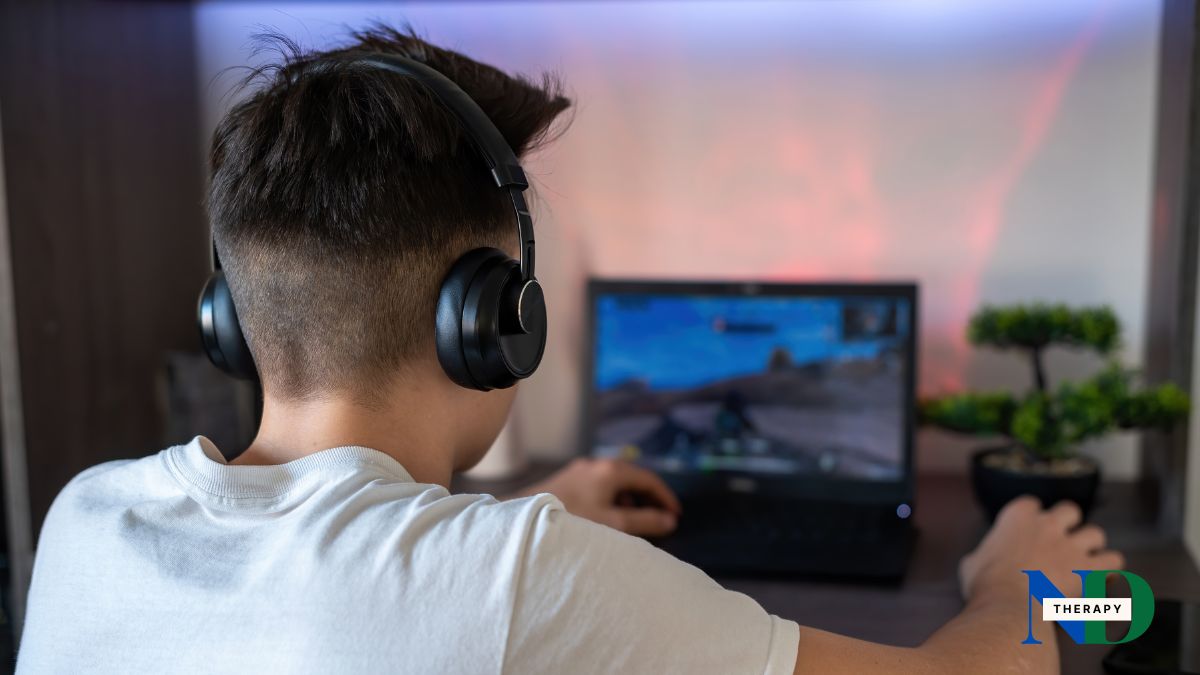
Internet Addiction occurs when a user’s life is disrupted by excessive online time. Like chemical addiction, behavioral addictions like Internet Addiction feel good, to the point the addict wants to spend most of their time online. As a result, real-life responsibilities fade, resulting in the deterioration of relationships. Unfortunately, the Internet addict justifies this time and does not often consider themselves addicted. Addictions such as Internet Addiction usually last for months and years, with the addict unaware of the damage they are doing to themselves.
Internet Addiction is personal to me, as I was an Internet Addict. I spent 10-16 hours daily playing an online game for six years. During this period, my grades in college were not as they should have been, and I had few real-life relationships. My life was a game. To me, Internet Addiction occurred because the game supplied Needs that were lacking in my real life. This is often the case for most Internet Addicts.
Common Symptoms of Internet Addiction
Internet Addiction is likely the most common addiction there is. The question is, how does one know they are addicted? Below is a list of symptoms for someone addicted to the Internet:
Excessive Internet Usage
Neglecting Responsibilities
Using the Internet to Escape
Lying About Usage
Anxiety or Irritability when Offline
Poor Hygiene & Health
Depression & Mood Swings
Losing Interest in Other Activities
Sleep Disturbances
Recognize Yourself or Your Child In These Symptoms?
Take my free Internet Addiction Self-Assessment to see if a formal evaluation is recommended. Twenty questions, about fifteen minutes, immediate results. A useful starting point, whether or not you ultimately decide to seek treatment. I offer two versions, one for Parents, and another for Adults.
How I Treat Internet Addiction
I don't treat a behavior. I treat a person. Internet and gaming addiction is never really about the screen — it's about what the screen is doing for someone: escaping stress, numbing pain, or avoiding a world that feels harder than the game. So therapy begins by understanding you or your child specifically — what need the screen is meeting, where the real struggles are, and what a fuller life would actually look like. From there, we build a plan around concrete, reachable goals. My work is skills-based and goal-oriented: we don't just talk about the problem, we solve it.
Understanding Why the Screen Took Over
Nobody loses years to a screen for no reason. Behind almost every internet or gaming addiction is something the screen is solving — anxiety, loneliness, boredom, low self-worth, or a real life that has stopped feeling rewarding. If we only attack the symptom, the addiction comes back. So we work to understand what the screen is really for, and then address that need directly. Treat the cause, and the behavior becomes far easier to change.
Rebuilding a Healthy Relationship With Technology
Internet addiction is different from drug or alcohol addiction in one crucial way: you can't simply quit. The internet is woven into school, work, and daily life — so the goal isn't abstinence, it's control. I help clients and parents build realistic boundaries, routines, and limits that make technology a tool again instead of a trap. We replace willpower, which always runs out, with structure that holds.
Replacing the Void With Real Life
You can't take something away without putting something better in its place. As screen time comes down, we deliberately rebuild the parts of life the addiction crowded out — real friendships, hobbies, movement, sleep, family, and goals worth getting out of bed for. Recovery isn't about a diminished life with less gaming; it's about a fuller life, the screen no longer has room to dominate.
Treating the Anxiety and Depression Underneath
Internet addiction rarely travels alone. Depression, anxiety, and social anxiety are often both the cause and the consequence — the reason someone retreats to the screen, and the result of the isolation that follows. Using Cognitive Behavioral Therapy (CBT), I help clients identify and change the thought patterns feeding that cycle, so recovery treats the whole person, not just the habit.
Working With the Whole Family
When I work with a child or teen, I work with the parents too. Most families are exhausted from fighting the same battle over screens every single day. I'll help you set limits that actually hold, end the constant power struggle, and get everyone pulling in the same direction. You're not the enemy here, and you're not alone in this — change holds when the whole family is part of it.
Building Self-Control and Independence
This is the heart of the work: handing control back to the person who lost it. We build self-discipline, accountability, and the confidence that comes from proving to yourself that you — not the game, not the feed, not the algorithm — decide how you spend your time and your life. The goal isn't a life of restriction. It's freedom.
My Therapeutic Style
I'm hands-on, direct, and compassionate. I'm not the therapist who sits silently, takes notes, and asks, "How does that make you feel?" I create a calm, judgment-free environment, and then we get to work — teaching skills, solving problems, and building momentum toward your goals. I'm honest with my clients because I respect them, and I stay in their corner even when the work gets hard.
Why This Work Matters to Me
I'm not treating internet addiction from a textbook. I lived it. For six years, I lost myself in an online game — ten to twelve hours a day — while my real life shrank and the virtual one took over. I know the pull of it, the shame of it, and how impossible escaping it can feel from the inside. I also know it can be beaten, because I beat it. That's why I do this work, and it's why I never write anyone off as "too far gone." If I could find my way back, so can you or your child.
You Don't Have to Navigate This Alone
Whether the struggle is your child's or your own, internet addiction is treatable, and life can get better. Let's talk about where you are and where you want to be. Schedule your free 15-minute consultation, and let's begin.
Getting Started Is Easy
Free 15 Minute Consultation
Call or fill out the form below and request a Free 15 Minute Consultation.
Schedule Session
Contact me to schedule a Session. I have afternoon and evening sessions available, so you do not have to miss school or work!
Contact Information
Frequently Asked Questions
How Do I Know If I Really Have A Problem?
It's easy to minimize or justify problems. Everyone is on their phones, it's no big deal, is a common excuse. However, you must be honest with yourself and ask, " Is this the life you want?" If you have gone this far and feel something is wrong, it is time to take action and find out. Take my Internet Addiction Assessment to find out.
How Does Therapy Work?
A therapy session lasts 45 minutes, where you work on goals set during previous sessions. During this time, I may teach specific skills or discuss problems that have occurred recently. While working with children, I will talk to the parent alone at the beginning or end of the session and speak to the child individually. Therapy sessions are highly flexible and can be what you determine is needed.
How Long Does Therapy Last?
That depends on you, as therapy is individualized. It depends on the problems you are experiencing and how long you wish to see the therapist. However, therapy often lasts months to treat Internet addiction, as this is a severe addiction. It is common for me to see Clients for six months or longer. However, depending on your need, I provide sessions weekly, twice a month, or monthly.
How Much Does Therapy Cost?
Therapy is an investment and does not come cheap. Due to my over 16 years of experience, I charge $200.00 a session. I have treated hundreds of people with Internet Addiction and understand the thought process behind it. I provide a Sliding Scale upon request based on household income. While the cost is high, therapy can be life-changing for your family.
Do You Provide In-Person Sessions?
No, I provide teletherapy sessions only for residents of Texas.
Is Teletherapy Secure?
Yes. The program I use for Teletherapy encrypts the connection between me and the Client, ensuring no one can spy on the session. It is HIPAA Compliant and requires no software download for the Client. It also works on Tablets, Smartphones, and Computers. Unlike most therapists who use Skype, I take your privacy and confidentiality seriously.
What Is Your Therapeutic Style? You Don't Just Sit and Take Notes All Session, Do You?
No! Many therapists have the bad habit of taking notes all session and asking questions, such as, “How does that make you feel?”. In my sessions, I focus on creating a calm environment where we work to solve problems. I am goal-oriented and work to teach skills. I am hands-on, direct, but compassionate.
How Do I Know If You Are A Good Fit?
I suggest you look through this website to learn more about my work. Also, I recommend you Contact Me, as I provide a 15-minute free consultation where you can ask questions and give me an idea of your problems.
Resources
End The Excuses! It Is Time To Commit!
Are you tired of your situation and know it is time to change? You have read about my Therapy Program, so now it is time to schedule your Free 15-Minute Consultation. Click the button below to complete the form.