Thirty Days to Change Your Life. Ninety to Keep It.
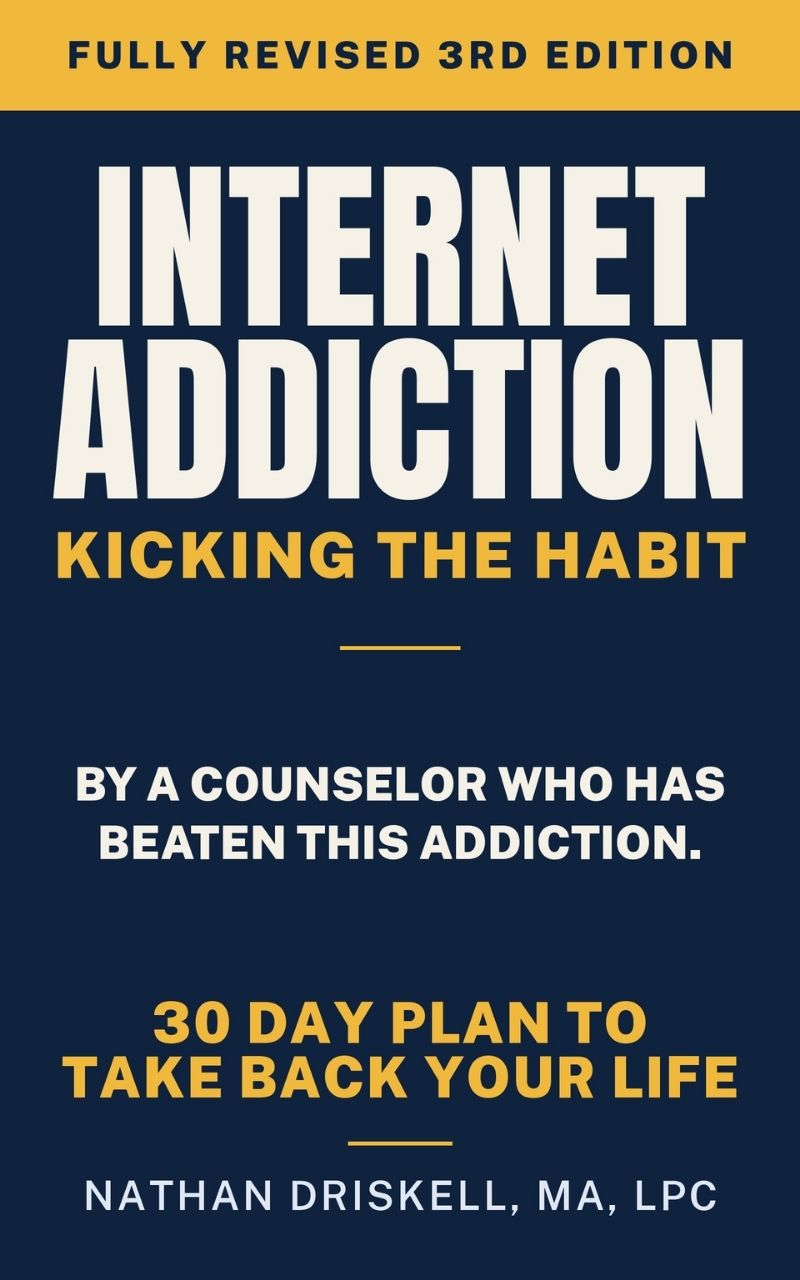
FULLY REVISED THIRD EDITION · 2026
You have tried to cut back before. You deleted the app, set the limit, and promised yourself tonight would be different—and you are reading this at an hour that tells you how that went.
I am not going to promise you a cure in a month. No honest book can, and part of you already knows it. What thirty days can do is give you a floor to stand on: a sleep schedule you actually keep, a morning and an evening with shape, real people back on your calendar, your worst apps off your devices, and an honest picture of what this has cost you.
That floor is the thing most people fighting this never get.
★ 4.4 out of 5 · 56 reader reviews · 196 pages · Paperback & Kindle
About The Book
How many hours did you spend on a screen yesterday, outside of work or school? Not the number you would say out loud — the real one. Your phone already knows, and on Day 7 of this book you are going to sit down and look at it.
Screen and Internet addiction has cost people their careers, their marriages, and their health. I have had to hospitalize people over it. If you have already lost friendships, jobs, or opportunities to it, the first honest step is admitting that this is a problem you cannot think your way out of.
I know both sides of this. I spent six years of my life trapped inside an online game — running a script overnight so my character kept advancing while I slept, waking ten to fifteen times a night to serve it. Some of the damage to my sleep never fully repaired. I became a therapist because of it, and I have specialized in treating Internet and gaming addiction for more than sixteen years. I know the thoughts, the lies, and the bargaining from the inside, and I know what actually moves people from the other chair.
The book is a thirty-day program, and it is a do-the-work book. Three short chapters come first — how screens hijack your brain, why staying in control is harder now than it has ever been, and whether what you are dealing with is "really" an addiction. Then the counting starts.
The first third is Insight: who you are, what your screen use is actually doing for you, and what it has taken. The middle is Action: sleep, morning and evening routines, real limits on your devices, the feed, the two-hour window, and how to answer the thoughts that drive you back. The last stretch is Maintenance: locking the routine in and setting goals worth staying off the screen for.
Then the book keeps going. After Day 30 there is a section called The Next 90 Days — a week-by-week map of the part nobody writes about. What relapse actually looks like, which is almost never the lost weekend people picture. Why weeks seven through nine are the dangerous ones precisely because you feel good. What to do the day it slips, because it will.
Be warned: this is difficult, and some days will make you angry at me. If you miss a day, do not restart. Pick up where you left off. Restarting feels like commitment, but for an addict it is usually a way of quitting that lets you keep your self-image intact.
What's New in the Third Edition
The first edition came out in 2016. The phone in your pocket is not the phone from 2016, and this is not that book.
Three New Opening Chapters
Before Day 1, you get the why: the reward loop in plain language, what your brain is adapting to, why willpower fails by design, and what the science actually says about behavioral addiction in 2026 — including why "internet addiction" was never one diagnosis.
The Dopamine Detox Myth
The single most popular piece of advice online about this problem is mostly wrong. Chapter 1 explains what it gets backwards and what genuinely helps instead.
AI Companions
The newest hook, and the most personal one. Apps built to be a friend — always warm, always available, and incapable of rejecting you. Why that is a trap for exactly the people most likely to fall into it, and what the research is already showing.
The Feed
Two new days added: one on short-form video and infinite scroll, and one on the work-life blur that came with remote work — when the device you earn a living on is the same device that takes your evenings.
Accountability of Time
Every activity now states what it costs — "about twenty minutes," "about forty-five." Four days ask nothing new at all. The standing daily routine is capped at roughly one hour and audited on Day 29. The old edition never gave you a quiet week; change sets during the quiet part.
The Next 90 Days
An entirely new closing section for the three months after Day 30 — the stretch where the structure is new, nobody is asking you for anything, and most programs quietly end.
What Thirty Days Can and Cannot Do
Thirty days will not cure you.
I am over twenty years out from the game that nearly cost me everything, and I still get urges. If thirty days were enough, I would have been finished a long time ago.
Any book that promises you a clean break in a month is selling you something — which is probably why you have started programs like this before and quietly stopped. The research agrees: building one simple new habit takes a median of around two months to become automatic, and for some people the better part of a year. That is the cost of an easy habit, not of breaking a compulsive one.
So here is what this book actually promises. By Day 30 you will have a sleep schedule you keep. A morning routine and an evening routine. Real people on your calendar. Your worst applications off your devices, and hard limits around what remains. And an honest picture of who you are, what your screen use has been doing for you, and what it has cost.
That is not a finish line. It is a floor to stand on — and most people fighting this never get one.
Thirty Days To Change Your Life. Ninety to Keep It.
Book Preview
FROM THE INTRODUCTION
Before we begin the next thirty days together, I have a question to ask. Why are you reading this book? Take a moment to answer honestly. Are you reading it because a parent, a boss, or a partner wants you to? Because someone has told you you're an addict? Or have you chosen to change?
If you're reading this to please someone else, understand that you will fail. You can go through the motions, do the activities, and finish the book — but you won't truly understand yourself or your problem, and you'll make little real progress.
I know that sounds harsh, but it's reality. Your spouse, your parents, your friends, your therapist — none of them can control your addiction. You must choose to change, or you will fail.
You may have told yourself that screens and the Internet aren't really addictive, so you can't really have a problem. But almost anything can take hold of a person when it starts to run their life. For years the mental health field was slow to take behavioral addictions like this one seriously. That has changed, and I'll show you exactly where the science stands. For now, understand this: for some people, the Internet can be more addictive than drugs or alcohol — depending on the needs it meets for them and their own neurophysiology. I've seen it destroy lives, and I've had to hospitalize people over it.
How would I know? Because, like you, I am an Internet addict. Beyond being a therapist, I am a recovering gaming addict. I spent six years of my life trapped in an online game. During that time, I ignored family and friends and gambled with my future, all in the service of the addiction.
Even though I quit the game years ago, I still get urges to play. That game, and countless others, are at my fingertips twenty-four hours a day. I own my own business, so I could take off work with no one to answer to. No one can force me to stop. Every single day, I decide whether to work or binge.
So what makes this book different, and how can it help you? The difference is my own experience with gaming and screen addiction. I understand the thoughts, lies, and behaviors that come with being hooked — from the inside. I also treat this addiction for a living. I know both perspectives: the addict and the specialist. This book gives you both.
Excerpt from the Introduction, Third Edition. Read the full opening free with Amazon's Look Inside.
What You Will Learn
What is Happening in your Brain
The reward loop in plain language, why "just use willpower" fails, and why the dopamine-detox advice you have read online gets it backwards.
Why it's Harder Now Than Ever
Infinite feeds, autoplay, streaks, and AI companions built to be a friend who never rejects you.
Is it Really an Addiction?
What the diagnostic manuals now say, why it was never one single diagnosis, and why the pattern matters more than the label.
Who You Are Underneath It
An honest self-portrait, what you gain from being online, what the addiction has cost you, and what you actually want your life to be for.
Healthy Routines
The routines that give a day a shape, built to a capped budget of about an hour and audited before you finish.
Real Limits That Hold
A staged four-part plan for cutting access to your devices, plus the two-hour entertainment window and boundaries for a phone you also earn a living on.
Combat Thoughts & Urges
The ten most common automatic negative thoughts in screen recovery, rewritten for what you will actually think at 1 a.m.
How to be Around People Again
Two social days built for readers who find this genuinely hard, with realistic options and no advice to "just put yourself out there."
Testimonials
★ 4.4 out of 5 · 56 reader reviews on Amazon
It's the best book on internet addiction because it gives you an "end goal" on how to exactly structure your day. No other book has done that.
People with a high degree of internet addiction like me will benefit from this book most. People with low internet addiction will probably think it's unneccesary because they haven't experienced how devastating this addiction can be.
This book is a great read and it can help anyone that has a addiction to internet get back on track. I believe this book can help with other addiction it is a easy read and gets to the point which is very helpful. It’s very informative and can help a variety of people use the steps to put their lives in order. I recommend this book to anyone that is interested in a better quality of life.
The book is thorough, provides useful examples and practical steps, and left me feeling more prepared and ready to respond to this serious modern day challenge.
Nathan did a great job of addressing internet addiction in this book. As a mental health professional, I appreciate the fact that the information in the book could be helpful over many conditions such as drug addiction, low self esteem, etc… This is a great resource!
I am thankful to Nathan Driskell for tackling such a difficult topic in a thoughtful and personal way in his book “Internet Addiction: Kicking the Habit.” His insights and experience lend itself to the practical tips and recommendations in the book.
This book is totally awesome and easy to read. It has helped me so much. I defiantly recommend this book for those struggling with internet, gaming or any other type of technology addictions.
I don't know how I found this book but it helped me significantly through my addiction. Yes it looks like one of the many random amazon self-help books but it really is a great guide through internet addiction specifically, and not in a general sense but a very specific step by step, day by day, basis.
About The Author

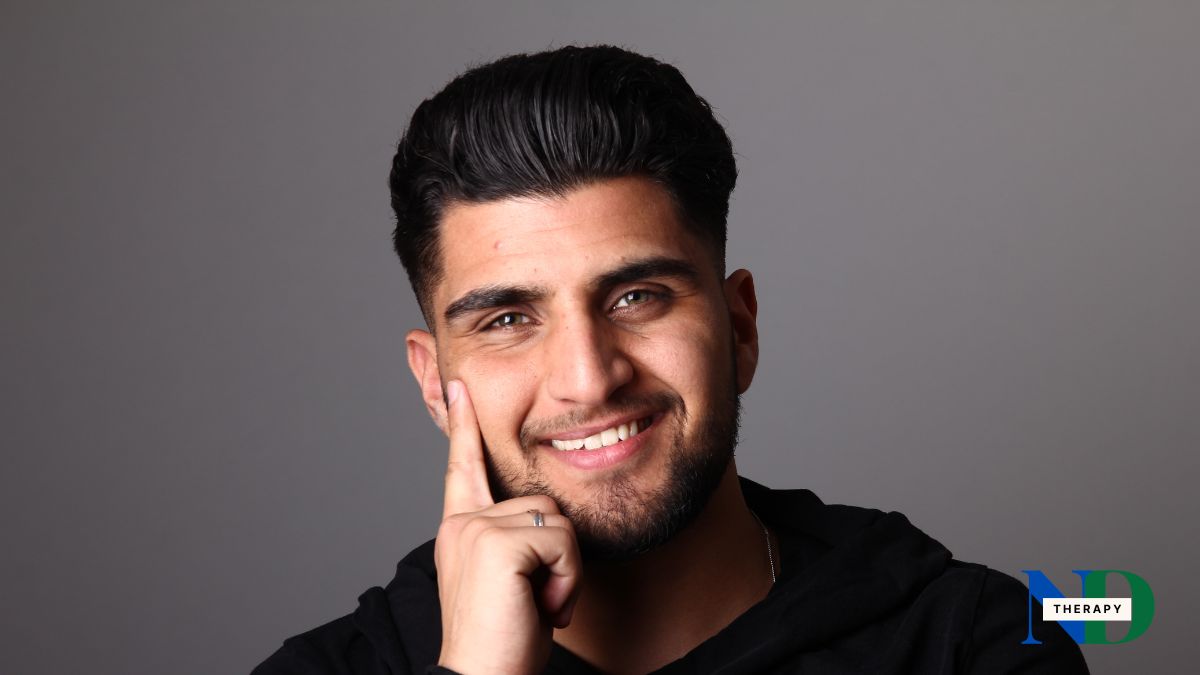
Nathan Driskell is a Licensed Professional Counselor in Texas (LPC #66397) in private practice, working with clients throughout the state by teletherapy. He has spent more than sixteen years in the field and specializes in two areas that overlap more often than people expect: internet and screen addiction, and high-functioning autism.
His work with screen addiction covers the full range of it — gaming, social media, streaming, and pornography — with adults, and with parents of teenagers and young adults who are watching their child disappear into a room and a screen. He has been writing and publishing on the subject since 2016.
He also writes about it from the inside. Before he was a counselor, Nathan spent years of his life inside an online game — running a script overnight so his character kept advancing while he slept, waking ten to fifteen times a night to serve it, and losing a stretch of his twenties to a screen. Some of the damage to his sleep never entirely repaired. That experience is why this book exists, and why it does not lecture.
Nathan sees children, adolescents, and adults across Texas by teletherapy. If you are in Texas and want to work with someone on this, contact him here. If you are outside Texas, write anyway — he will do his best to point you toward someone in your area.
End The Excuses! It Is Time To Commit!
You can decide to change and do the work, or do nothing and get nothing back. The book costs less than a single evening out. The thing it is asking you to give up has already cost you considerably more than that.
Thirty Days To Change Your Life. Ninety to Keep It. Start Today.