
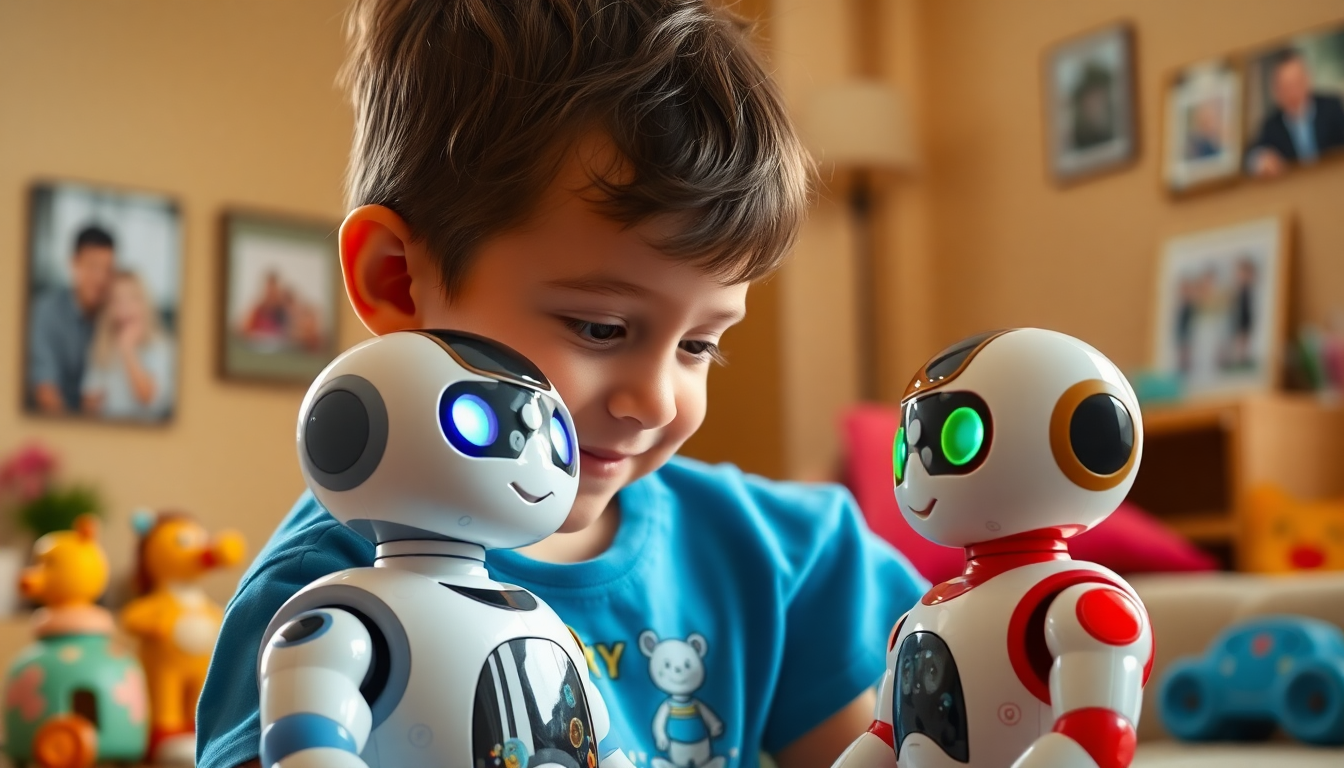
ROBOTS are stepping out of research labs and into daily care, as new trials show therapy for autism delivered through social robots can match standard treatments while significantly boosting child engagement and expanding access across schools and homes. Bridging research and real-world therapy, social robots have been explored for over two decades as potential tools in autism therapy, yet clinical adoption has remained limited due to gaps between experimental success and everyday feasibility. Conventional behavioral interventions rely heavily on trained clinicians and structured clinic environments, which can restrict availability and increase costs.
Two Randomised Trials Assess Therapy for Autism Delivery
Researchers conducted two randomised clinical trials examining robot-assisted therapy for autism in young children. The first efficacy trial involved 69 participants with a mean age of 4.4 years who received 12 biweekly in-clinic sessions. The outcomes were equivalent to those achieved through conventional therapy, but children demonstrated significantly higher engagement levels. The second effectiveness trial included 63 participants with a mean age of 5.9 years and tested simplified robotic systems designed for schools and homes. Over the course of five sessions, children achieved equivalent outcomes to standard treatment approaches. Together, the trials demonstrate that therapy for autism delivered by social robots can be clinically comparable to traditional models while requiring fewer sessions and simpler environments.
Implications for Clinical Practice and Future Care
These findings suggest that robot-assisted therapy for autism could become a viable complement to existing services, particularly in settings where specialist clinicians are scarce. Portable, cost-effective robotic systems may enable more consistent, lower-cost early interventions, potentially reducing waiting times and widening access. Future research should focus on long-term developmental outcomes, integration with multidisciplinary care pathways, and training frameworks to support routine clinical adoption.
Takeaway
The advancement of robot-assisted therapy for autism is crucial for families and individuals affected by the condition. This innovative approach not only enhances engagement but also makes therapy more accessible, especially in areas with limited clinical resources. As research continues to support the effectiveness of these tools, they hold the potential to significantly improve the quality of life for children with autism, providing them with essential social communication skills in a more interactive and engaging manner.
Source: Read the Original Article

You can reach me at my website or call me directly at 832-559-3520 if you have any questions. Thank You!
- Big Tech Faces Children’s Addiction Claims in Court - March 23, 2026
- New Autism Treatment Targets the Gut, Not the Brain - March 18, 2026
- Autism and Comorbidities: What Every Parent Should Know - March 17, 2026