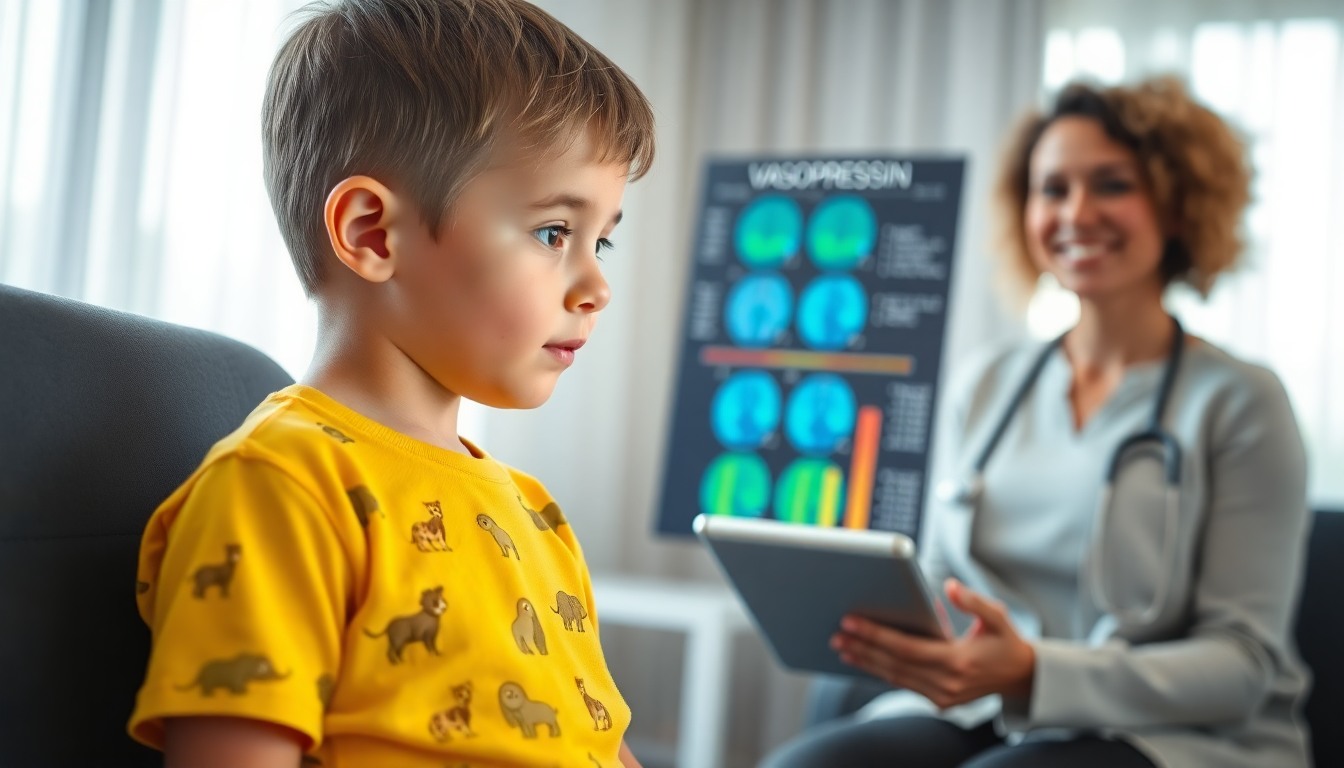
Cerebrospinal fluid (CSF) levels of vasopressin have been identified as a potential biomarker for social impairment in individuals with Autism Spectrum Disorder (ASD), according to a study published in the journal Autism Research. The research indicates that elevated vasopressin concentrations in CSF correlate with the severity of social communication deficits in those diagnosed with ASD. These findings suggest that vasopressin could play a significant role in the neurobiology of social behavior and may serve as a target for therapeutic interventions.
Vasopressin and Social Impairment
The study highlights the relationship between vasopressin, a hormone involved in social behaviors, and the challenges faced by individuals with ASD. Researchers analyzed CSF samples from participants with varying degrees of social impairment. The results demonstrated that higher levels of vasopressin were consistently associated with more pronounced difficulties in social interactions. This reinforces the idea that biological factors are critical in understanding the complexities of ASD.
Potential for Targeted Therapies
The findings open the door for developing targeted therapies aimed at modulating vasopressin levels in individuals with ASD. By understanding the role of vasopressin in social functioning, clinicians could develop new treatment strategies to enhance social communication skills. This could significantly improve the quality of life for those on the autism spectrum.
Implications for Future Research
This research underscores the need for further investigation into the neurobiological mechanisms underpinning ASD. The identification of cerebrospinal fluid vasopressin as a biomarker not only advances scientific understanding of autism but also prompts exploration of other potential biomarkers. This could lead to more precise diagnostic tools and personalized treatment plans, ultimately benefiting individuals with ASD and their families.
Takeaway
The identification of vasopressin levels as a biomarker for social impairment in ASD is a significant advancement in understanding this complex condition. This research holds promise for developing targeted interventions that could improve social communication for individuals with autism. For families and individuals impacted by ASD, these findings offer hope for more effective treatments and a better understanding of the biological factors that influence social behavior. The implications of this study extend beyond the laboratory, potentially transforming the approach to autism care and support in meaningful ways.
Source: Read the Original Article

You can reach me at my website or call me directly at 832-559-3520 if you have any questions. Thank You!
- Big Tech Faces Children’s Addiction Claims in Court - March 23, 2026
- New Autism Treatment Targets the Gut, Not the Brain - March 18, 2026
- Autism and Comorbidities: What Every Parent Should Know - March 17, 2026